Everything About Stained Concrete: A Comprehensive Guide to Its Advantages and Applications
Stained concrete has actually become a popular selection for both residential and industrial spaces. Its capability to incorporate aesthetic appeal with functionality makes it an interesting choice. Various discoloration methods use a variety of colors and finishes, allowing for personalization. The benefits expand past appearance. Recognizing its applications and maintenance requirements is vital for any person considering this flexible product. The subtleties of stained concrete welcome even more expedition.
What Is Stained Concrete?

Discoloration can be related to different surface areas, including floorings, driveways, and patios, making it a functional option for both indoor and exterior areas. The therapy can attain a variety of looks, from earthy tones to vibrant, modern-day designs. Unlike paint, stained concrete preserves its appearance gradually, as it comes to be an indispensable component of the concrete itself. On the whole, stained concrete acts as a reliable method for transforming regular concrete into visually striking surface areas.
Benefits of Stained Concrete
Stained concrete deals significant advantages, especially in aesthetic appeal and sturdiness - stained concrete. Its vivid shades and one-of-a-kind patterns improve the visual beauty of any kind of space, making it a popular choice for both domestic and business applications. Additionally, the longevity of stained concrete assurances that it continues to be a sensible financial investment in time, withstanding deterioration
Visual Charm
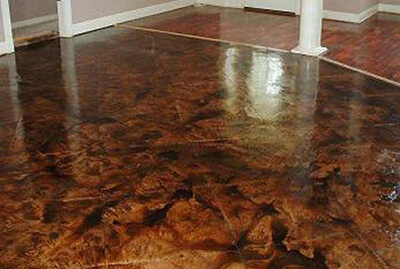
One of one of the most compelling advantages of using stained concrete is its exceptional visual appeal. Stained concrete offers a special and flexible look that can match different style styles, from modern-day to rustic. The infusion of vivid shades and elaborate patterns allows homeowners and developers to develop personalized surfaces that can improve the total ambiance of an area. Unlike traditional floor covering options, stained concrete can resemble the look of all-natural rock or polished marble, supplying a high end appearance without the connected prices. Additionally, the glossy surface alternatives can reflect light, additional lightening up insides. This flexibility makes stained concrete a preferred selection for both residential and industrial applications, where aesthetic impact is extremely important.
Sturdiness and Longevity
The impressive aesthetic qualities of stained concrete are complemented by its amazing resilience and long life - stained concrete. Stained concrete surfaces are immune to deterioration, making them ideal for high-traffic areas both inside and outdoors. Their robust nature implies they can stand up to rough climate condition, consisting of extreme temperatures, rain, and UV exposure, without substantial deterioration. Additionally, stained concrete requires very little maintenance compared to various other floor covering alternatives, as it does not require regular securing or refinishing. This long life not just lowers replacement expenses however likewise adds to a sustainable structure approach. Generally, stained concrete offers a long-lasting solution that incorporates visual charm with sensible benefits, ensuring its value with time
Various Sorts Of Staining Strategies
Various staining techniques can markedly affect the aesthetic top qualities of concrete surface areas. The three main techniques include acid discoloration, which responds chemically with the concrete, water-based staining, which uses a wider range of shades, and overlay discoloration options that offer a fresh surface. Each method has one-of-a-kind features and applications that accommodate different design choices and job requirements.
Acid Discoloration Technique
How can home owners transform plain concrete surface areas into aesthetically striking features? One efficient method is acid discoloration, a popular strategy that improves the natural elegance of concrete. This process entails applying a service of water, hydrochloric acid, and metallic salts to the concrete surface. As the acid responds with the lime present in the concrete, it produces rich, variegated colors that look like marble or rock. Acid staining is known for its resilience and resistance to fading, making it a long-lasting option for both interior and exterior applications. However, it is important to keep in mind that the outcomes can differ based upon the original concrete shade and appearance - stained concrete contractors. Appropriate application and securing are essential for accomplishing the preferred visual and durability
Water-Based Discoloration Method
A popular alternative to acid discoloration, the water-based discoloration method supplies property owners a versatile means to improve concrete surface areas. This approach uses water-soluble dyes and pigments, permitting a vast array of shades and surfaces. Unlike acid spots, water-based discolorations can be related to unsealed concrete and offer an easier clean-up procedure. The outcomes can accomplish an extra consistent look and can be layered to develop unique effects. In addition, water-based stains are typically much less poisonous and discharge fewer volatile natural substances (VOCs), making them extra eco-friendly. Home owners might appreciate the capability to personalize their concrete surface areas with different shades, permitting creative expression while maintaining sturdiness and durability in their flooring choices.
Overlay Staining Options
Countless overlay staining choices exist for homeowners aiming to review invigorate their concrete surfaces. One prominent choice is acid staining, which reacts chemically with the concrete to create abundant, variegated colors. An additional option is water-based discoloration, using a wider shade palette and much easier application. Furthermore, concrete overlays can be combined with stencils for detailed designs, boosting appearances. For a much more distinctive finish, house owners may consider utilizing stamped overlays that resemble natural materials like rock or ceramic tile. Each strategy gives distinct advantages, from toughness to personalization, allowing for an individualized touch. Inevitably, the option of overlay staining relies on the wanted look and the condition of the existing concrete, guaranteeing a rejuvenated and appealing surface area.
Applications of Stained Concrete
Stained concrete offers a versatile service for different applications, improving both visual charm and capability. This material is typically utilized in property, commercial, and industrial settings, making it a prominent option among engineers and developers. In homes, stained concrete can serve as fashionable flooring or outside patios, providing a sophisticated look while staying durable.
In commercial areas, such as retail shops and dining establishments, stained concrete adds to a contemporary setting and can endure heavy foot traffic. Additionally, stained concrete is increasingly utilized in public areas like parks and walkways, where its ability to mimic natural stone or other products includes visual passion.
Furthermore, stained concrete is optimal for swimming pool decks and driveways, providing a slip-resistant surface that is easy to preserve. In general, the adaptability of stained concrete makes it suitable for many settings, providing to varied preferences and demands.
Upkeep and Treatment for Stained Concrete
Correct maintenance assures the long life and charm of stained concrete surface areas. Regular cleansing is necessary; utilizing a mild detergent and water with a soft-bristle brush aids eliminate websites dirt and crud without damaging the coating. It is recommended to stay clear of rough chemicals that can remove the tarnish or sealant.
Sealing stained concrete is essential for defense against wetness, discolorations, and wear. A high-quality sealer should be reapplied every one to 3 years, depending on the traffic and direct exposure the surface withstands. Additionally, dealing with spills promptly will avoid staining and staining.
Expense Considerations for Stained Concrete Projects
When intending a discolored concrete project, budget plan factors to consider play an essential role in establishing the total cost. The expenses related to stained concrete can differ considerably based upon several aspects. The dimension of the location to be stained directly affects product and labor expenses. Larger areas will normally require more resources. Second, the sort of stain chosen-- acid-based or water-based-- can affect rates, with acid stains often being a lot more pricey. Additionally, the complexity of the style, including patterns or numerous colors, can raise labor costs. Preparation work, such as cleaning and grinding the concrete surface area, includes to the preliminary expenses. The option between DIY setup and working with an expert specialist will certainly additionally affect the budget. Recognizing these variables makes it possible for property owners to make educated monetary choices about their stained concrete projects, ensuring they achieve the wanted visual within their financial means.
Tips for Picking the Right Stained Concrete for Your Area
Choosing the appropriate stained concrete for a details space entails mindful reflection of various elements past simply spending plan. One must review the designated use of the location. High-traffic areas might need even more long lasting finishes, while decorative applications can focus on visual appeals.
The color scheme is one more important aspect; the selected shades ought to balance with existing decor and lights. It's additionally vital to take into consideration the surface texture, as smooth coatings can boost sophistication, while textured choices might assure safety and security in damp locations.
Regional environment and environmental conditions play a substantial duty in the durability and upkeep of stained concrete, influencing the selection of sealers and coatings.
Seeking advice from with specialists can give useful understandings tailored to certain demands, ensuring the selection of the perfect stained concrete that aligns with both capability and design.
Often Asked Questions
Can Stained Concrete Be Applied Over Existing Flooring?
Stained concrete can indeed be used over existing flooring, provided the surface is steady and sufficiently prepared. This method allows for a visual upgrade without the demand for full elimination of the original flooring products.
The Length Of Time Does Stained Concrete Last?
Stained concrete can last for years when appropriately preserved. Factors such as traffic, ecological conditions, and application techniques significantly influence its long life, with numerous installments staying lively and intact for 10 to three decades.
Is Stained Concrete Slippery When Wet?
Stained concrete can be unsafe when wet, as the surface may develop a smooth surface. Utilizing non-slip ingredients or textured finishes can alleviate this concern, improving safety and security without compromising the aesthetic allure of the concrete.
Can I Tarnish Concrete Myself, or Should I Employ an Expert?
The choice to discolor concrete personally or employ a professional joints on ability level and job complexity. While DIY staining can save cash, experts guarantee optimal outcomes, especially for detailed styles or large surfaces.
What Color styles Are Available for Stained Concrete?
The range of colors offered for stained concrete consists of natural tones like browns and tans, vibrant shades such as reds and blues, and softer shades like pastels. This scheme enables creative, try this site individualized layout options.